What is Neurologic Music Therapy® (NMT™) ?
Neurologic Music Therapy® (NMT™) is a standardised evidence-based clinical treatment system of 20 techniques that is driven by advances in applied auditory music neuroscience and the clinical understanding of music perception, production, and cognition (Academy of Neurologic Music Therapy®, 2026).
Who is it for?
NMT™ is suitable for adults and children with a wide range of diagnoses including:
Stroke & Traumatic Brain injury
Neurodegenerative conditions such as Parkinson’s and Alzheimer’s disease.
Developmental disorders such as Autism Spectrum Disorder.
How can it help?
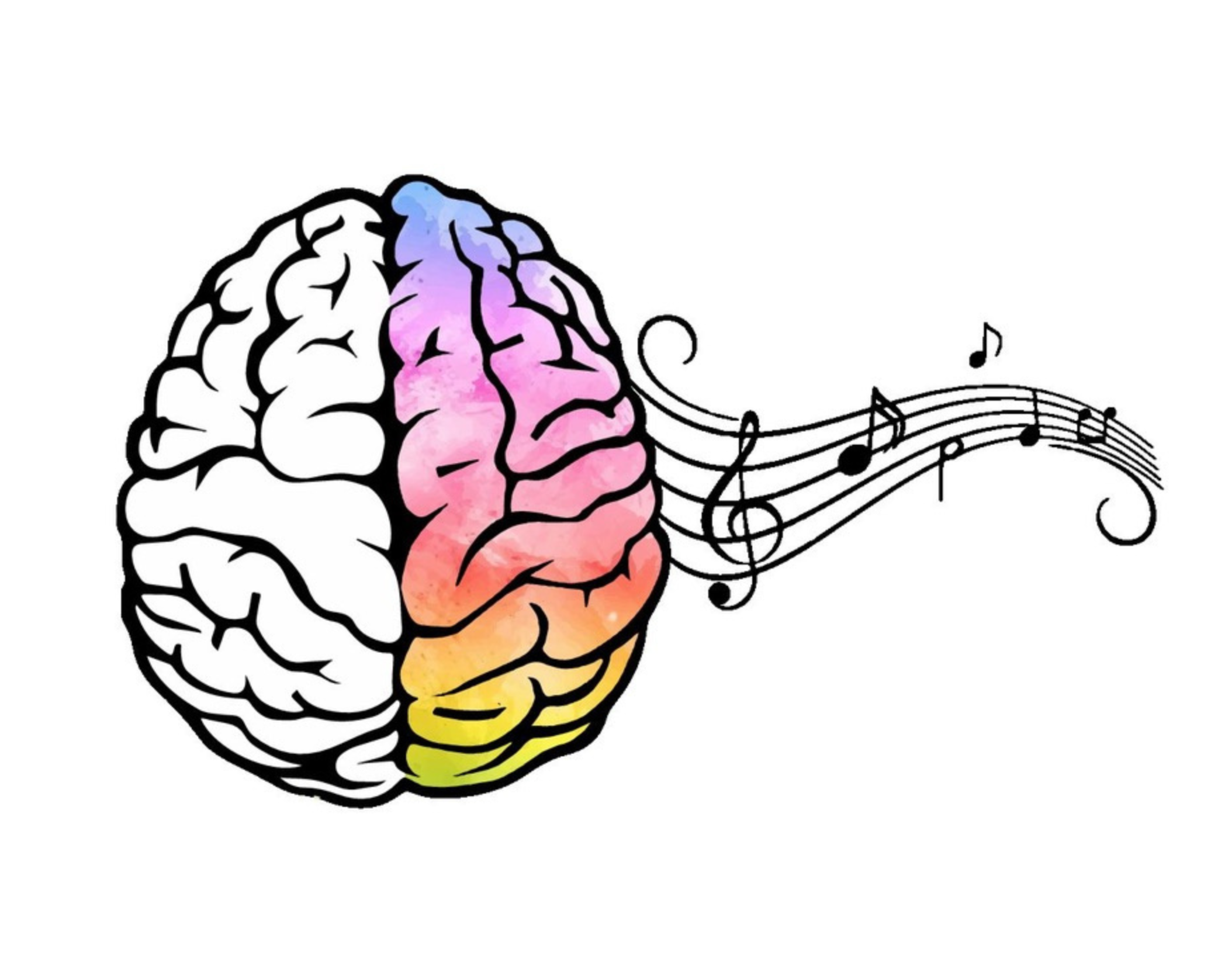
NMT™ techniques focus on using music to support non musical goals in the domains of speech & language, motor skills, cognition and psychosocial function. NMT™ therapists use these techniques to promote neuroplasticity and train or retrain brain behaviours and functions.
Here are a few examples of how NMT™ can help:

Speech & Language
Singing, rhythm cues and instrument playing can all help with the rehabilitation or development of speech and language.
NMT™ techniques can be used to address a range of speech and language goals including breath support, word retrieval, word fluency, articulation, voicing volume, voice inflection, and non-verbal expressive communication.
Techniques such as Melodic Intonation Therapy (MIT)™ and Rhythmic Speech Cuing (RSC)® can work well for conditions like aphasia, apraxia, and communication delays following a brain injury or stroke by giving a structured, engaging way to relearn language skills.

Sensorimotor
Moving to a beat and playing instruments are the main ways music helps sensorimotor needs.
Neurologic Music Therapists often use a metronome because our bodies naturally sync to rhythms. Hearing a beat helps the brain make movements more efficient and direct.
Rhythmic Auditory Stimulation (RAS)® and Therapeutic Instrumental Music Performance (TIMP)® can be particularly helpful in improving motor skills and working on functional movement to help in everyday life. Especially for those who are suffering from Parkinson’s disease or are recovering from a brain injury.
Cognition
Engaging in musical activities, singing and responding to music and playing instruments can help simulate the cognitive functions of the brain.
Musical mnemonics training (MMT)™ and Associative Mood and Memory Training (AMMT)™ can assist with memory and recall for people living with dementia or who have experienced a brain injury.
Focusing on listening and responding to music, playing instruments and adding movement can helps with sensory processing and self-regulation. Using techniques such as Musical Executive Function Training (MEFT)® and Musical Attention Control Training (MACT)™. This can be particularly helpful for children with developmental disorders such as autism spectrum disorder.
Psychosocial & Wellbeing
Music can help to promote wellbeing by boosting mood and reducing anxiety. NMT™ can provide an alternative way for an individual to express emotions through improvisation, songwriting and lyric analysis. This can be further supported by working in a group.
Music Psychosocial Training and Counseling (MPC)™ and Therapeutic Singing (TS)™ can support psychosocial function and mental health.
This can help people who’ve had a brain injury or stroke find rebuild their sense of identity and accept the life-changing effects of the injury. It can also help with emotional regulation for those living with dementia or experiencing a developmental disorder such as autism spectrum disorder.
Get in touch
Early referrals ideally within the first few weeks of diagnosis or when you notice signs of a developmental disorder is key to maximising outcomes in therapy. If you want to find out more about how you or a loved one can benefit from Neurologic Music Therapy® (NMT™), please get in touch.
In medicolegal cases, case managers are responsible for ensuring clients have access to therapeutic interventions to aid in their recovery. If you are a case manager interested in finding out how Neurologic Music Therapy® (NMT™) can support your clients, please get in touch.
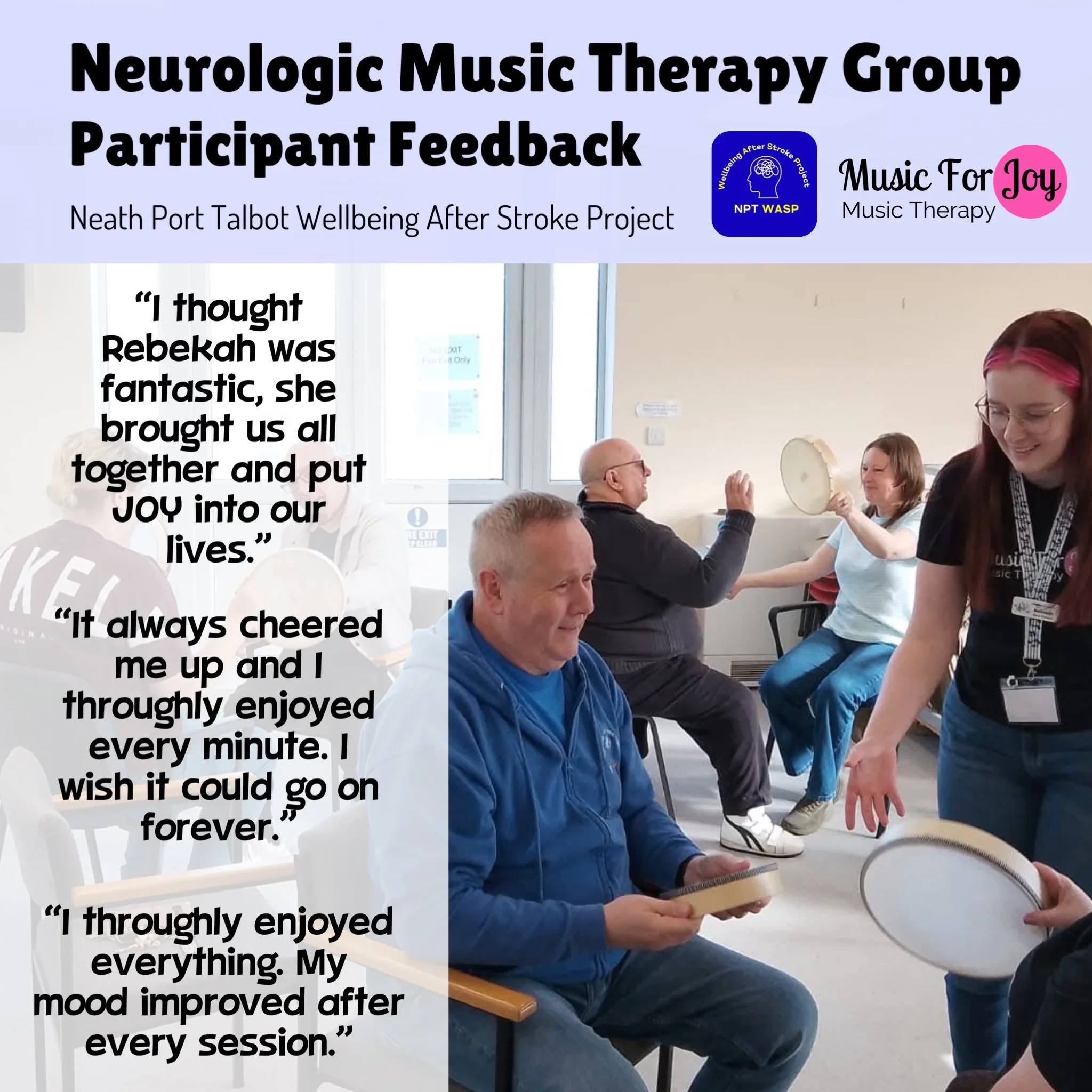
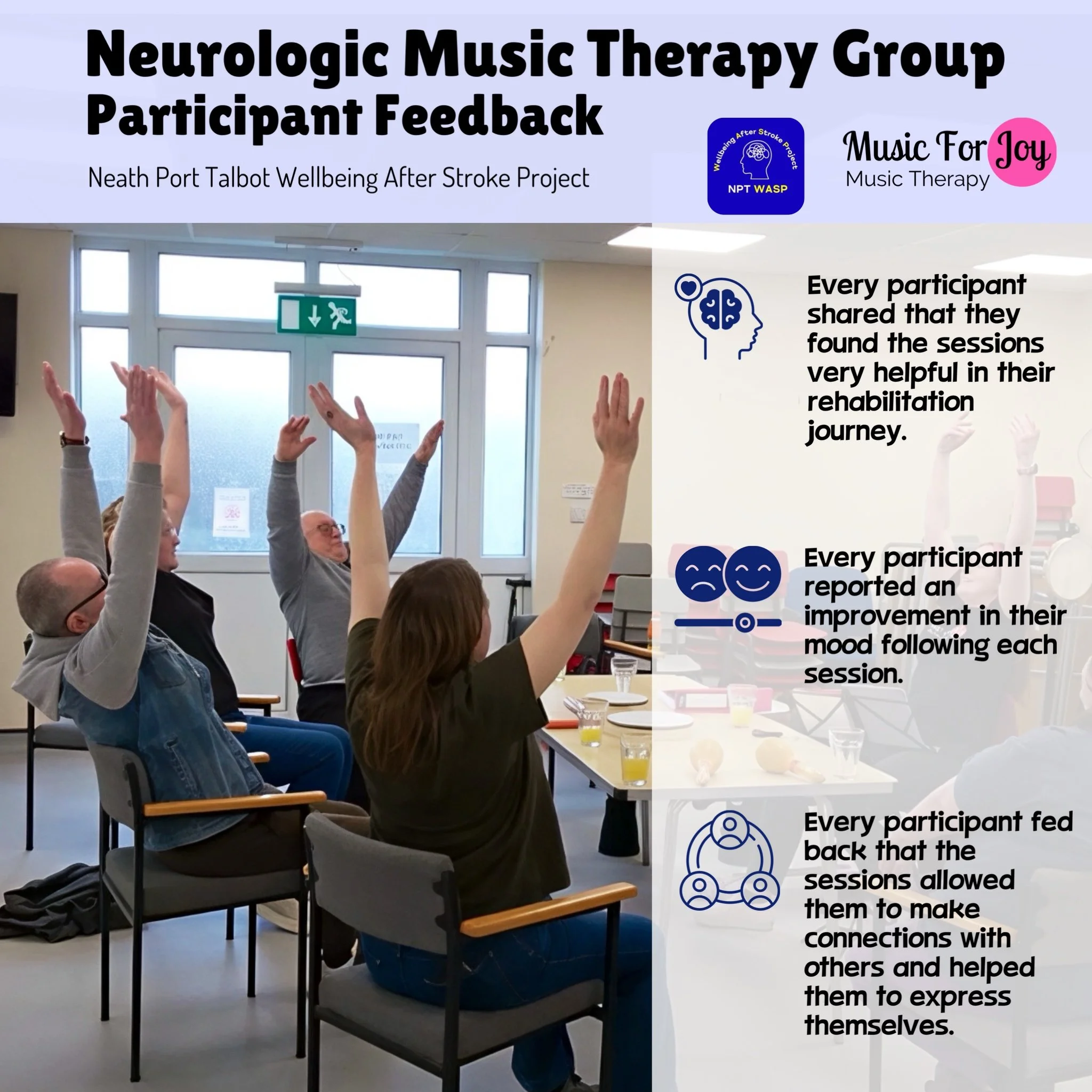
Neurologic Music Therapy Group - Neath Port Talbot Wellbeing After Stroke Project
(NPT WASP)
I delivered a pilot NMT™ group in collaboration with NPT WASP. The aim of the group was to guide participants through various NMT™ techniques to support their wellbeing and work towards non musical goals in the domains of:
Sensorimotor
Cognitive
Speech and Language
Psychosocial & Wellbeing
The group provided a safe and supportive environment for individuals to work towards therapy goals.
If you are part of an organisation who would benefit from a Neurologic Music Therapy® (NMT™) group, please get in touch.